.png)
True commercial innovation isn't born in a vacuum, it is forged by solving real-world structural challenges on the ground. When it comes to building resilient electric vehicle (EV) infrastructure under demanding grid conditions, South Africa is pioneering frameworks that the rest of the world is watching.
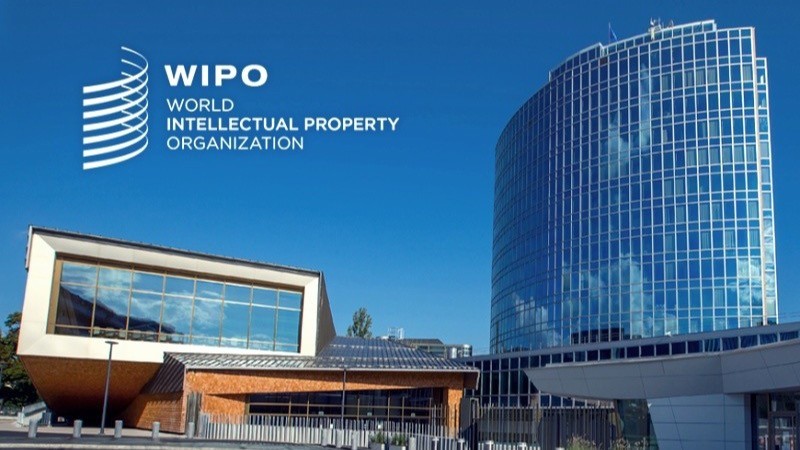
We are incredibly proud to announce that Zimi was invited by the World Intellectual Property Organization (WIPO), a specialized agency of the United Nations in Geneva, Switzerland, to bring our frontline operational insights to the global launch of their flagship World Intellectual Property Report 2026: Technology on the Move.
Representing the South African e-mobility sector on an international stage, Zimi brought critical emerging-market operational data to a global panel of economic researchers, policymakers, and automotive pioneers to discuss a critical challenge: how to successfully scale clean transit infrastructure in emerging economies.

The WIPO 2026 report focuses deeply on technology diffusion, the historical and economic study of how breakthrough technologies spread across 139 countries. A core insight of the report is that while digital software can diffuse globally in days, physical clean technologies (like EVs) face severe bottlenecks because they are completely dependent on heavy investments in physical networks like charging grids and local utility integration.
As a South African technology firm, Zimi’s invitation to Geneva stems directly from how we have engineered solutions around these exact structural constraints:
Bypassing Grid Dependencies: While developed economies often design EV rollouts assuming stable, continuous grid access, Zimi shared how we utilize localized, off-grid solar micro-utilities integrated with high-output DC rapid chargers (60kW to 120kW+) to guarantee commercial fleet uptime.
Compressing the Innovation Curve: WIPO’s historical data shows that clean energy technologies typically take decades to move past a 1% market share due to high upfront costs and institutional inertia. Zimi highlighted how our complete ecosystem approach, bundling vehicles, chargers, maintenance, and software into a single monthly operational expense (OpEx) lease, actively compresses this curve for corporate logistics.
Data-Driven Infrastructure Deployment: We showcased how our proprietary software platform, turns vehicle telematics and facility energy profiles into actionable metrics, giving fleet operators clear, predictable total cost of ownership (TCO) outcomes.
Being brought from South Africa to consult on a foundational UN agency publication serves as a powerful validation of Zimi’s engineering standards. It signals to corporate buying committees, logistics managers, and sustainability directors that the frameworks we use to electrify South African commercial fleets are thoroughly vetted, highly advanced, and recognized globally.
As multinational supply chains face mounting international pressure to eliminate Scope 3 emissions, the operational models being built right here in South Africa by Zimi are no longer just local solutions, they are helping write the global blueprint for the future of sustainable transportation.
Want to dive into the global economic research shaping sustainable transport?
.jpg)

